
50 Cao Duc Lan Street, Binh Trung Ward, Ho Chi Minh City, Vietnam

+84 76 865 6688

info@beetech.com.vn
+84 76 865 6688

About us
Contact us



HOME
PRODUCTS
SOLUTIONS
INDUSTRIES
PROJECTS
NEWS


50 Cao Duc Lan Street, Binh Trung Ward, Ho Chi Minh City, Vietnam
+84 76 865 6688
info@beetech.com.vn
+84 76 865 6688
About us
Contact us
HOME
PRODUCTS
SOLUTIONS
INDUSTRIES
PROJECTS
NEWS

What is UHF RFID? Benefits of UHF RFID
UHF RFID (Ultra High Frequency Radio Frequency Identification) is an advanced technology for identifying and tracking objects using radio waves. In an increasingly globalized context, the need for asset and inventory management has become more urgent than ever. UHF RFID not only saves time but also enhances efficiency in workflows, from production to distribution. With the ability to scan multiple tags simultaneously from a distance, this technology has become an invaluable tool for businesses in optimizing supply chains and warehouse management.
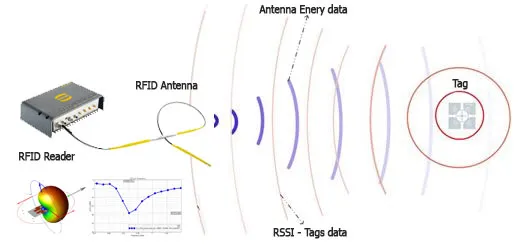
UHF RFID is an automation method for identifying and tracking objects using high-frequency radio waves. This technology operates based on RFID tags, which include the tag itself and the reader. RFID tags are attached to the objects that need to be tracked, while the reader is used to collect information from these tags.
One of the standout features of UHF RFID is its ability to transmit data over distances of up to 12 meters or more. This facilitates quicker and more efficient data collection compared to other technologies like LF (Low Frequency) or HF (High Frequency).
UHF RFID tags are typically compact, making them easy to attach to any product or package. They can be made from various materials, ranging from paper to waterproof plastics, ensuring flexibility in different environments.
A UHF RFID system consists of three main components: RFID tags, RFID readers, and management software. RFID tags contain a chip and an antenna that enable communication with the reader. The reader emits a radio signal, collects data from the tags, and sends it to the management software for processing and analysis. This structure allows UHF RFID to operate effectively across various fields.
The development of UHF RFID has opened up numerous benefits for businesses and organizations in managing assets, goods, and production processes. Here are some prominent advantages of this technology:
Using UHF RFID helps businesses manage warehouses more effectively. Instead of manually checking each item, staff can use a reader to scan all tags in a designated area, saving time and reducing errors. Additionally, inventory information is always updated accurately and in real-time.
Moreover, UHF RFID can integrate with Warehouse Management Systems (WMS) to automatically record and report the status of goods. This enables businesses to make quick and accurate shipping and inventory decisions.
With UHF RFID, businesses can easily and accurately track assets. Each RFID tag contains unique information about an asset, allowing users to quickly identify and prevent loss.
Furthermore, with the ability to scan quickly and collect large volumes of data simultaneously, UHF RFID helps reduce human errors, thereby enhancing accuracy in asset management.
In addition to internal management benefits, UHF RFID adds value for customers. Thanks to product traceability, customers can easily check the information and history of the products they purchase. This transparency not only builds trust but also improves the shopping experience.
UHF RFID technology is increasingly being applied across various industries, from manufacturing to logistics, retail, and healthcare. Here are some key sectors where UHF RFID has made a significant impact.
In logistics, UHF RFID improves the tracking and management of goods. Logistics companies can use RFID tags to monitor the location and status of goods throughout the transportation process. This not only minimizes losses but also optimizes transportation routes.
Additionally, with rapid scanning capabilities, staff can complete the processes of receiving and delivering goods quickly, enhancing operational efficiency and reducing costs.
In retail, UHF RFID plays a crucial role in inventory management and enhancing customer experience. Retailers use RFID tags to track product quantities in stock, allowing them to adjust business strategies accordingly.
Customers can also enjoy a better shopping experience with automatic scanning technology, reducing wait times at checkout. Furthermore, monitoring consumer trends becomes easier, enabling retailers to make more informed decisions.
UHF RFID is gradually being applied in healthcare to track medical devices and medications. Hospitals use this technology to ensure that medical equipment is always maintained and in optimal condition.
By tracking medication and equipment information, UHF RFID helps minimize the risk of incidents and enhances patient safety. Additionally, detailed usage history assists doctors in making treatment decisions.
UHF RFID technology operates based on wireless communication principles between RFID tags and readers. This process occurs through several simple yet effective steps.
When the reader emits a radio signal at UHF frequencies, RFID tags within the coverage area receive the signal and respond by sending their data back. Typically, the communication range can reach up to 12 meters, depending on the reader’s power and the type of RFID tag.
This communication process is very quick, taking only milliseconds to complete. This speed makes UHF RFID an ideal choice for applications requiring high speed and accuracy.
After collecting data from the RFID tags, the reader sends this information to management software. Here, the data is analyzed and processed, providing users with an overview of the status of goods or assets.
The management software helps store and organize data systematically, supporting users in decision-making. Reports and statistics can be generated from this data, helping businesses evaluate performance and optimize workflows.
One of the important issues when using UHF RFID is data security. To ensure that data is not tampered with or stolen, many security solutions have been developed.
For instance, encrypting information in RFID tags prevents unauthorized interference from outside. Additionally, some systems implement multi-factor authentication measures to enhance the protection of sensitive data.
When discussing RFID technology, there are various frequency types, such as LF (Low Frequency) and HF (High Frequency). Each technology has distinct characteristics suitable for different applications.
UHF RFID surpasses LF and HF in terms of data transmission capability and scanning distance. While LF operates effectively within distances of less than 10 cm and HF is limited to about 1 meter, UHF RFID can function effectively at distances of up to 12 meters or more.
This advantage makes UHF RFID suitable for applications that require simultaneous scanning of multiple tags or tracking goods from a distance.
Compared to LF and HF, UHF RFID offers much faster scanning speeds. It can simultaneously scan hundreds of tags in just a few seconds, while LF and HF typically require scanning each tag individually.
The high scanning speed reduces wait times and improves operational efficiency for businesses, especially in sectors like logistics and retail.
Although UHF RFID has numerous advantages, the initial investment costs may be higher than those for LF and HF. However, given the benefits it provides, this cost is considered worthwhile in the long run.
LF and HF are often used in applications requiring high accuracy at close range, such as in aquaculture or pet tracking. However, with widespread applications in industry and commerce, UHF RFID is gradually becoming the more popular choice.
UHF RFID technology requires specialized devices to operate effectively. Below are the basic components needed for a UHF RFID system.
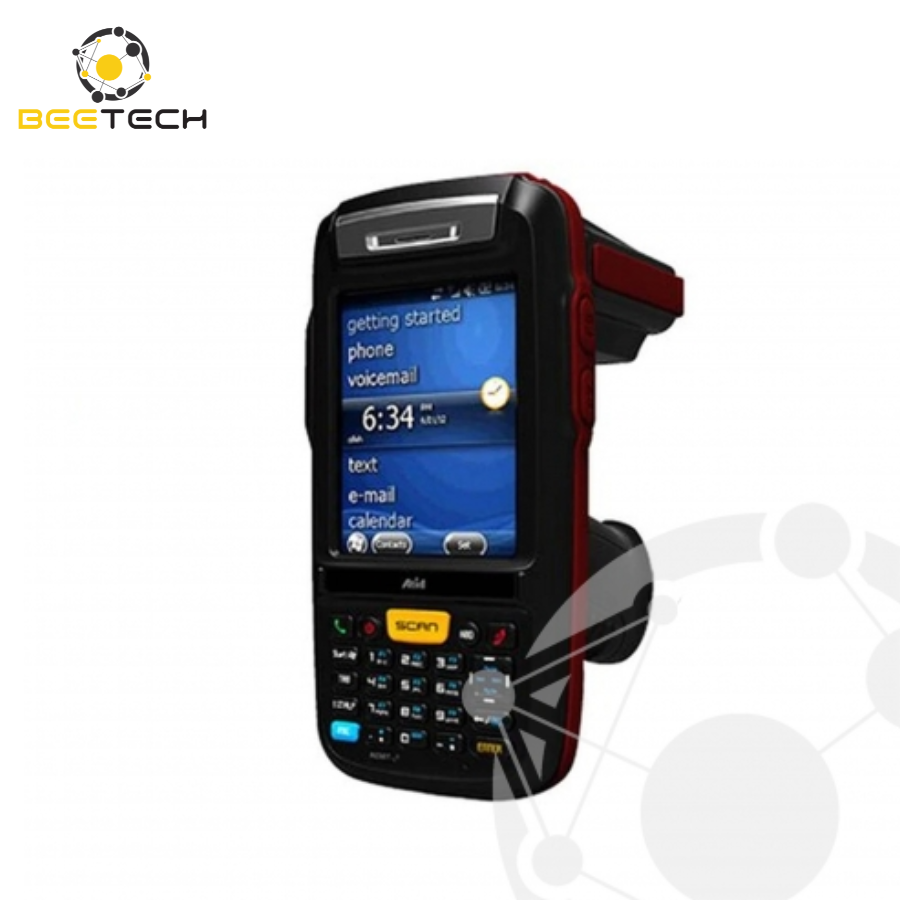
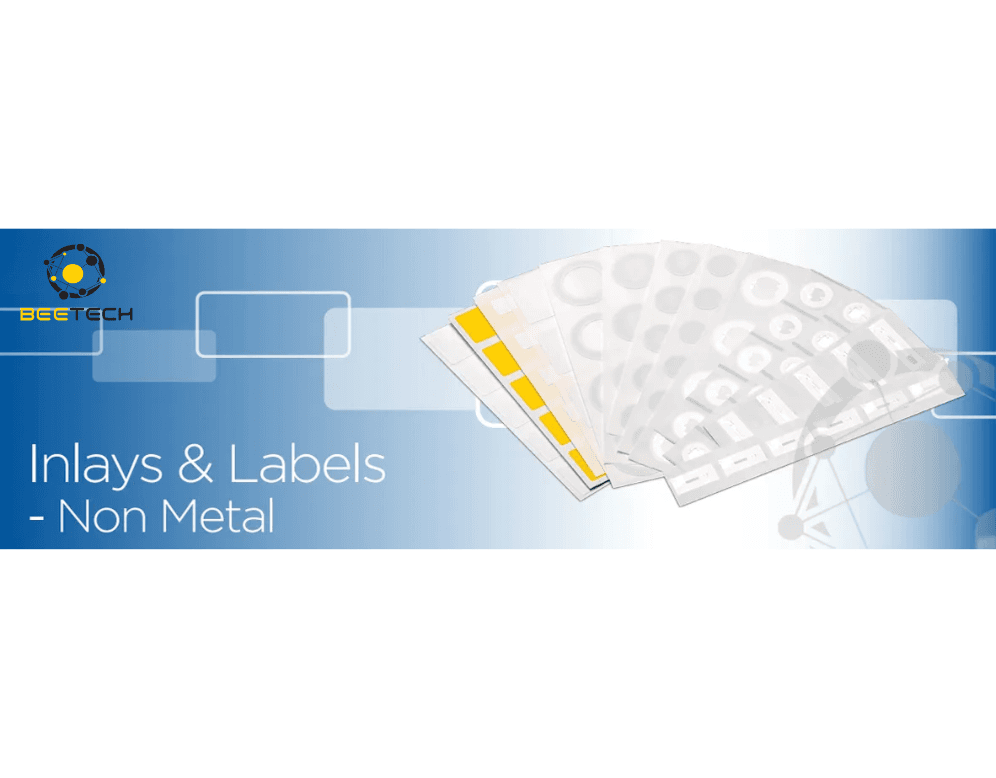
RFID tags are the main component of the system, consisting of a chip that stores data and an antenna that facilitates communication with the reader. There are various types of RFID tags, from adhesive tags to product-mounted tags and plastic tags.
When selecting tags, businesses need to carefully consider the material, size, and compatibility with the operating environment. Some tags are designed to be waterproof, heat-resistant, or withstand harsh environmental factors.
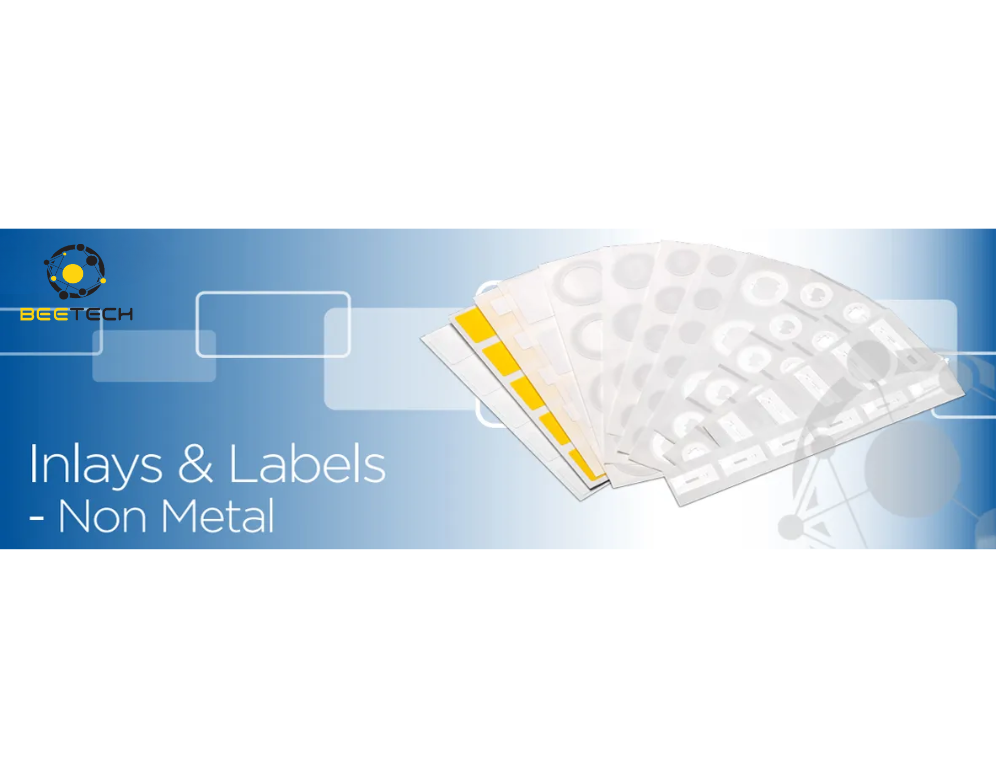
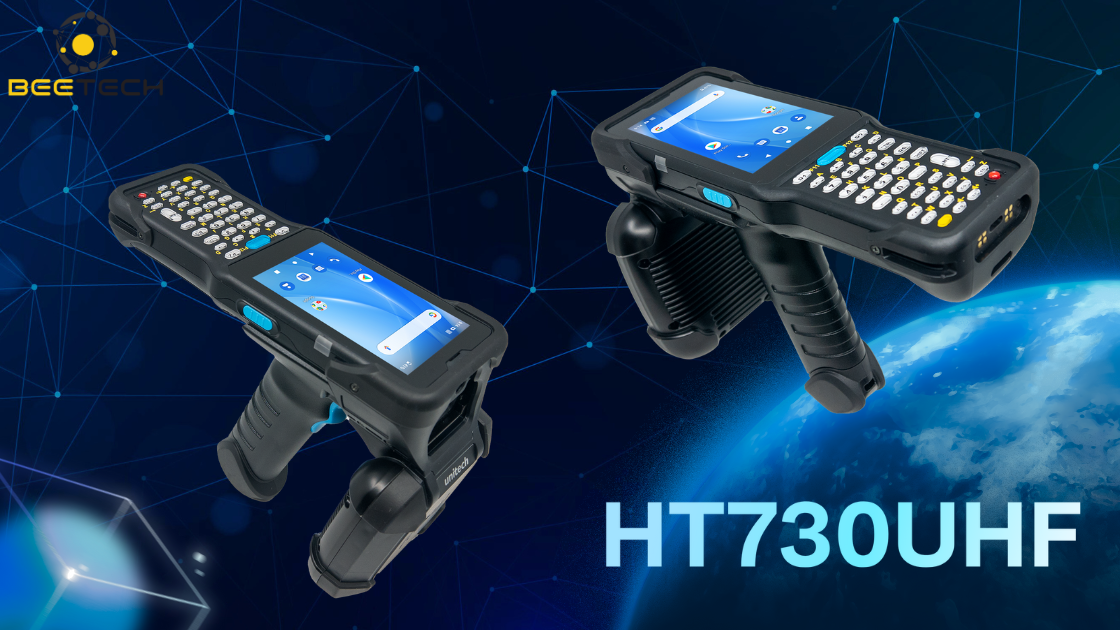
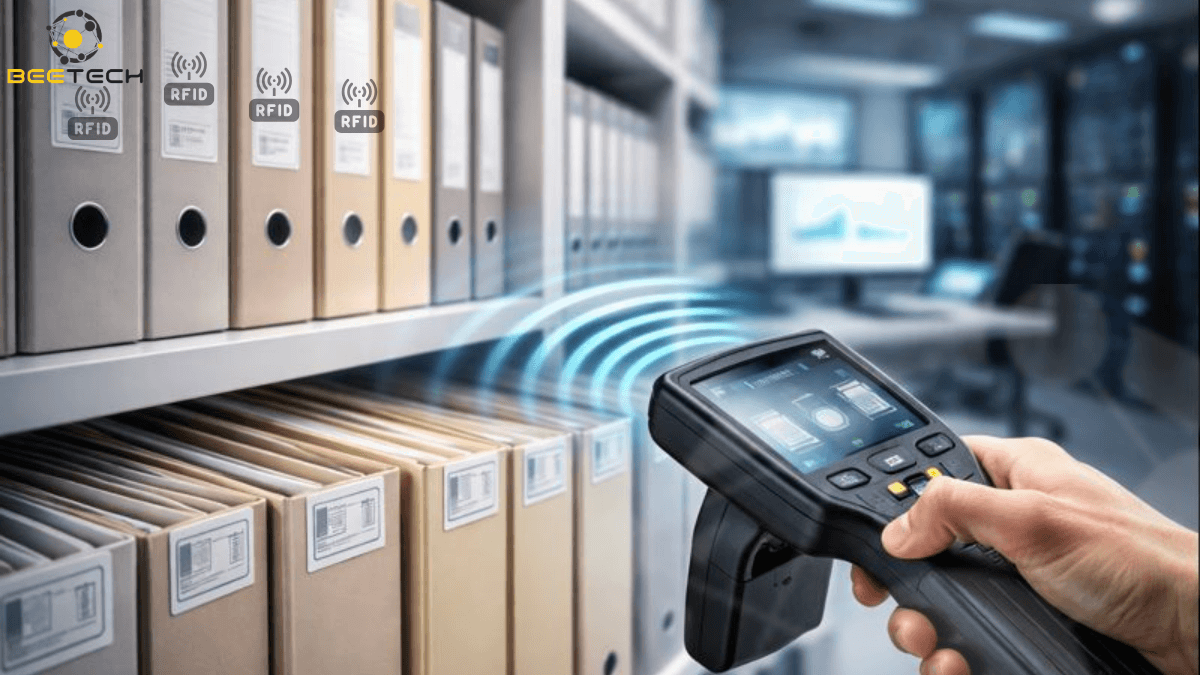
RFID readers are devices that receive information from tags. They work by emitting radio signals and receiving responses from tags within the coverage area. Readers can be connected to computers or management systems for data processing.
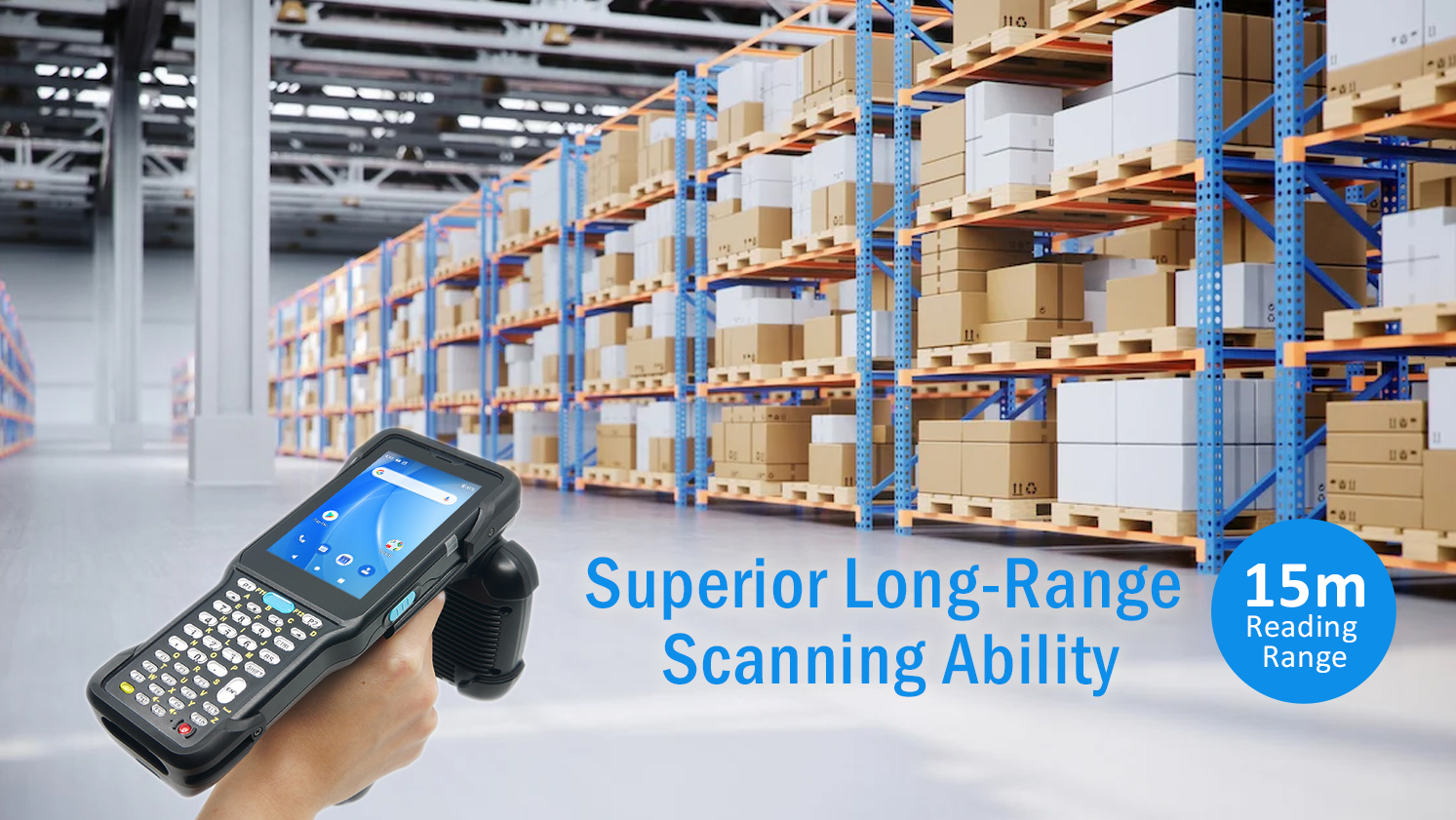
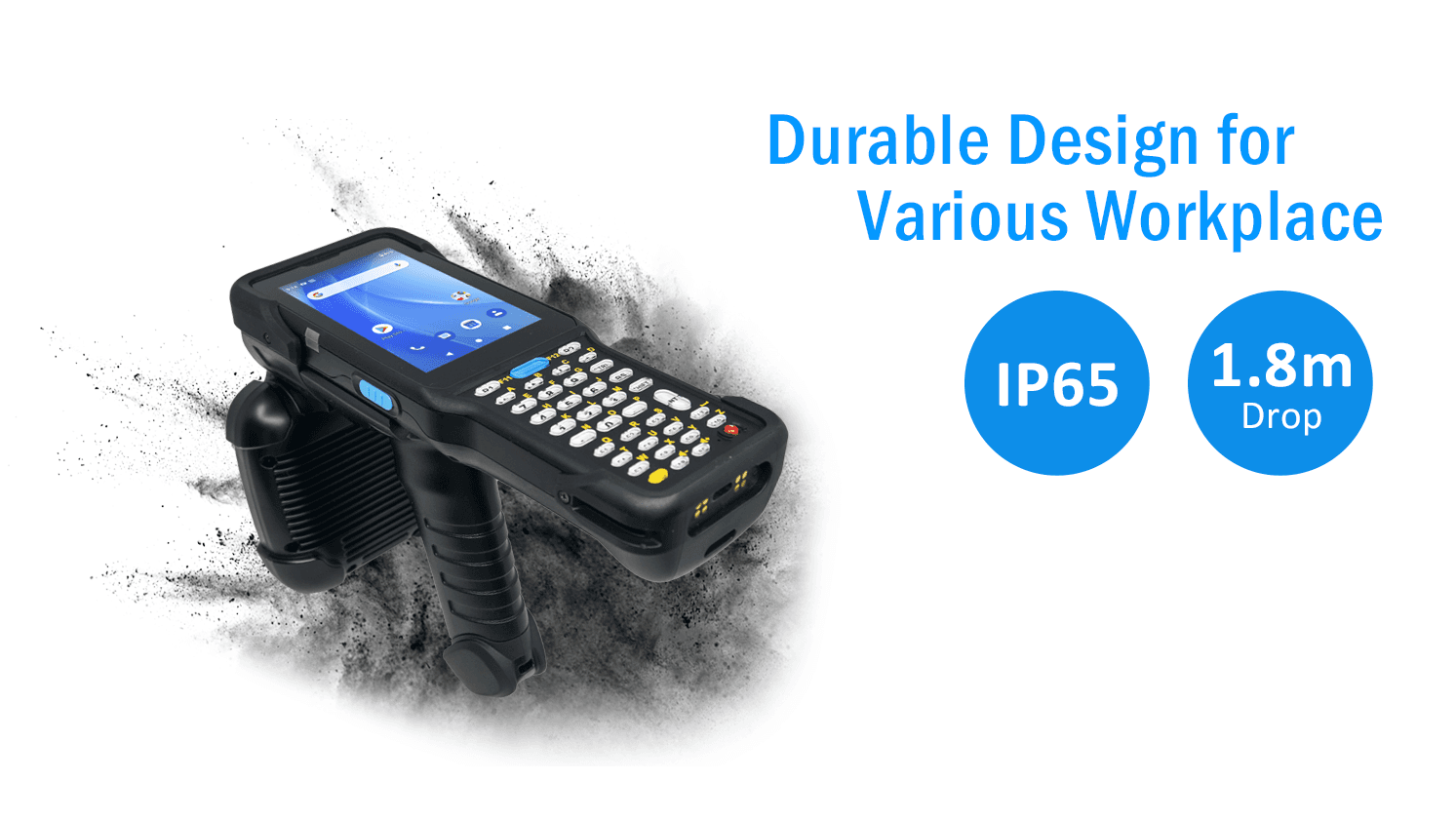
There are two main types of readers: handheld readers and fixed readers. Handheld readers are typically used in mobile applications, while fixed readers are usually installed at entry/exit points or conveyor belts.
Management software is an essential component of a UHF RFID system. It organizes and analyzes data collected from the readers, supporting businesses in decision-making.
Management software can integrate with other systems such as ERP or WMS, creating a comprehensive management platform for businesses. Some software also provides reporting, statistical analysis, and trend forecasting features, helping businesses optimize workflows.
To ensure compatibility and effectiveness in implementing UHF RFID technology, various organizations worldwide have developed several standards. Some important standards in the UHF RFID field include:
The ISO 18000-6 standard specifies the requirements for frequency and communication protocols for RFID tags. This standard is divided into two main parts: ISO 18000-6A and ISO 18000-6B, each with different communication methods aimed at enhancing the identification and tracking of goods.
EPCglobal is an organization that develops standards for RFID systems globally. The EPC (Electronic Product Code) system allows businesses to identify and track products more effectively through electronic barcodes.
The EPCglobal standard enhances compatibility between different RFID systems, facilitating the sharing of information among businesses in the supply chain.
SAE AS5678 is a standard for RFID applications in the aerospace industry. This standard specifies requirements for security and resistance to environmental interference, ensuring that RFID systems operate reliably even under harsh conditions.
These standards play a crucial role in ensuring that UHF RFID technology can operate effectively and reliably across various fields.
Implementing Ultra High Frequency (UHF) RFID technology brings many benefits but also comes with several challenges to consider:
With over 12 years of experience in the AutoID field (including barcodes, RFID, etc.), Beetech proudly leads in Vietnam in providing smart solutions and devices.
The combination of a highly experienced team and a commitment to delivering quality and cost-effective solutions has made Beetech a trusted partner for many businesses both domestically and internationally.
With a mission to develop information technology, especially in the Auto ID field (RFID, Barcode, AI), Beetech remains steadfast on its chosen path, continuously researching and improving to provide customers with quality products and services.
Choosing Beetech means partnering with a reliable, experienced partner that always prioritizes customer interests.
📧 Email: info@beetech.com.vn
🌐 Website: https://beetech.com.vn

RFID – A new direction in bank document management.

28/01/2026 04:38:54
What Makes Beetech’s Asset Management Software Different from Other Solutions?
12/01/2026 03:45:27

What is RFID? Is RFID Implementation Expensive?
10/01/2026 07:38:29
RFID Tags Supplier – Ready to Supply All Types | Beetech
09/01/2026 06:54:14
National Traceability System Launch & RFID Traceability Solutions
06/01/2026 08:07:37
What Is RFID? The Contactless Identification Technology Transforming How Businesses Operate
05/01/2026 04:14:42