
50 Cao Duc Lan Street, Binh Trung Ward, Ho Chi Minh City, Vietnam

+84 76 865 6688

info@beetech.com.vn
+84 76 865 6688

About us
Contact us



HOME
PRODUCTS
SOLUTIONS
INDUSTRIES
PROJECTS
NEWS


50 Cao Duc Lan Street, Binh Trung Ward, Ho Chi Minh City, Vietnam
+84 76 865 6688
info@beetech.com.vn
+84 76 865 6688
About us
Contact us
HOME
PRODUCTS
SOLUTIONS
INDUSTRIES
PROJECTS
NEWS

Why must RFID devices comply with Vietnamese standards and regulations?
In the digital transformation journey, RFID is becoming a core technology that helps Vietnamese enterprises automate warehouse management, logistics, manufacturing, and asset tracking. However, one important fact is often overlooked: RFID is not only a technology—it is also a radio-frequency transmitting device, subject to strict regulation under Vietnamese law.
Therefore, compliance with standards and regulations is not optional, but a mandatory requirement for any enterprise that wants to deploy RFID legally, stably, and for the long term.
This article explains in detail why RFID devices must comply with Vietnamese standards and regulations, the risks of non-compliance, and how to choose the right RFID solution for enterprises.
Standards compliance means that RFID equipment meets published technical standards (national, international, or industry standards).
For RFID, this includes:
Communication protocols (EPC Gen2 / ISO 18000-6C)
Transmit power levels
Electrical and electromagnetic safety
System compatibility
Regulatory conformity means that RFID equipment meets national technical regulations issued by Vietnamese authorities and is legally certified for circulation and use in Vietnam.
👉 In simple terms:
Standards compliance: meets technical standards
Regulatory conformity: legally permitted for use in Vietnam
RFID operates using UHF radio frequency, which falls under state management of:
Radio frequency spectrum
Electromagnetic emissions
Information security and telecommunications infrastructure
As a result, any RFID equipment used in Vietnam must:
Operate within permitted frequency bands
Use approved transmit power levels
Avoid causing interference with other systems
👉 This is why RFID cannot be freely imported, installed, or operated like ordinary IT equipment.
Non-compliant RFID devices may:
Be subject to administrative fines
Be forced to stop operation or be dismantled
Be confiscated during inspections
This risk is especially high for:
FDI enterprises
Large logistics projects
Large-scale manufacturing plants
Projects funded by state budgets or loans
In real RFID deployments, legal documentation is mandatory for:
Technical acceptance
Project settlement
Internal or third-party audits
Government inspections
If equipment lacks:
CO/CQ (Certificate of Origin / Certificate of Quality)
Standards and conformity certificates
👉 The project may fail acceptance, even if the system is technically functional.
Non-compliant RFID systems often cause:
Unauthorized frequency transmission
Unstable transmit power
Interference between readers
Consequences include:
Incorrect tag reads
Data loss
Reduced inventory accuracy
Interference with nearby RF systems
RFID systems typically:
Operate 24/7
Have a lifecycle of 5–10 years
Expand in multiple phases
Non-compliant equipment leads to:
Difficulty expanding the system
Challenges in replacement and upgrades
Long-term legal risks throughout the project lifecycle
Compliant RFID equipment:
Is legally approved for use
Meets inspection and audit requirements
Is suitable for FDI and large-scale projects
Standards-compliant RFID systems:
Operate reliably in industrial environments
Do not interfere with other systems
Are easy to scale
Certified equipment enables seamless integration with:
ERP systems
WMS, MES, SCM
Real-time data synchronization
Compliant RFID is the foundation for:
Smart warehouses
Digital factories
Transparent supply chains
Modern asset management
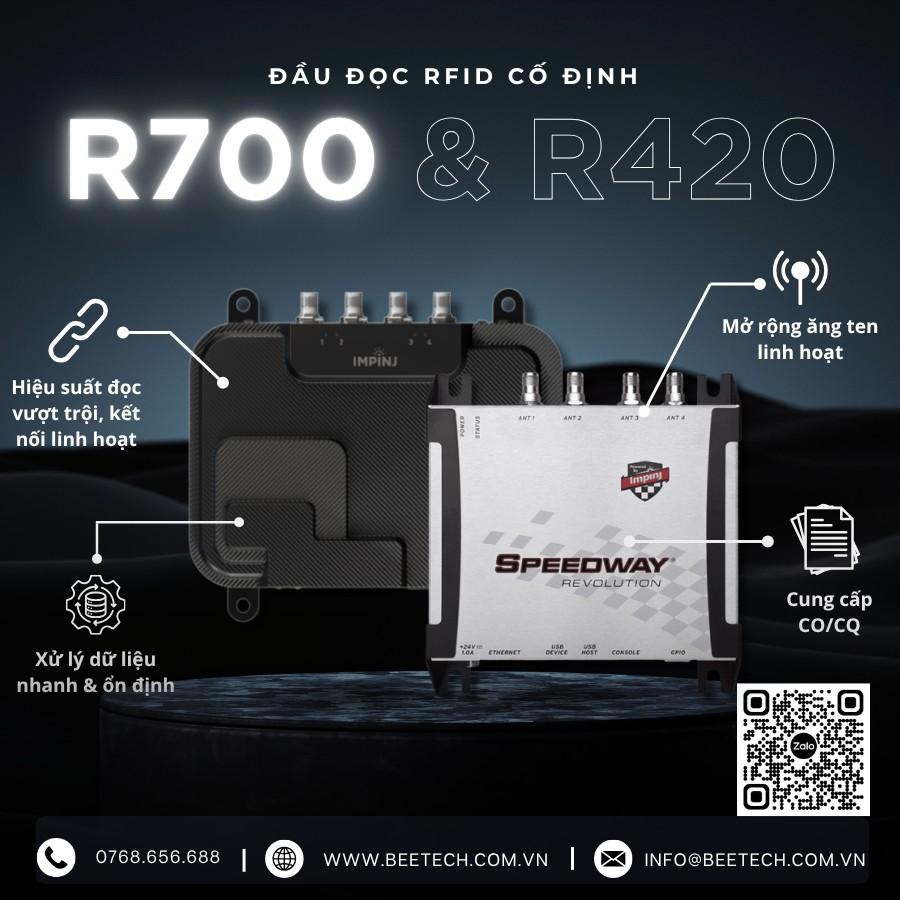
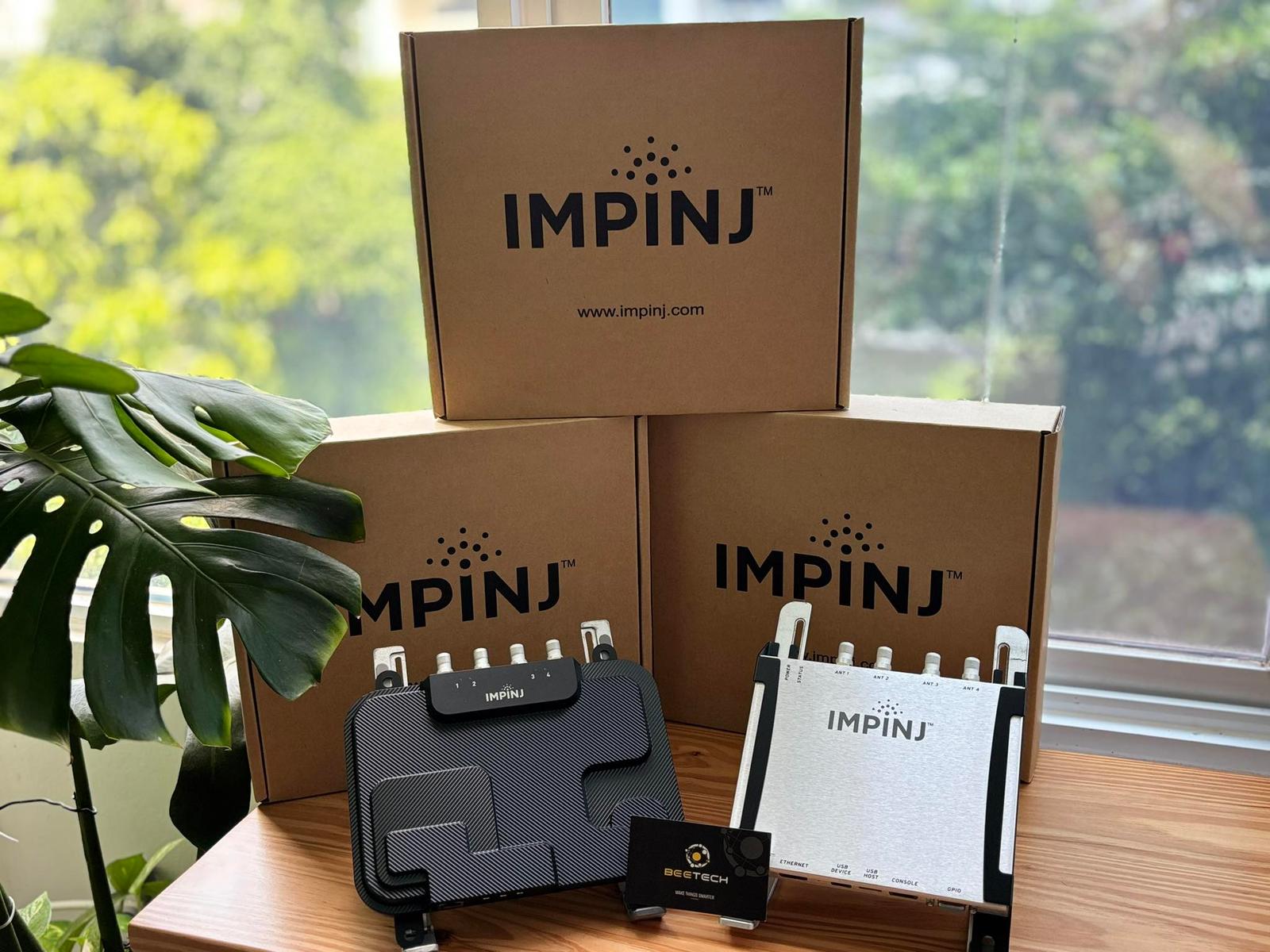
Impinj is a world-leading brand in RAIN RFID UHF, offering a comprehensive ecosystem:
RFID chips
Fixed RFID readers
Gateways
Software platforms
Impinj RFID technology:
Is used in billions of RFID tags worldwide
Is widely applied in logistics, retail, and manufacturing
Serves as a reference standard for RAIN RFID
In Vietnam, Beetech is the authorized distributor of Impinj RFID equipment, fully meeting legal and technical requirements.
Full CO/CQ documentation
Standards and regulatory conformity certification
Frequency compatibility with Vietnamese regulations
Complete documentation for project acceptance
Practical RFID solution consulting
Site survey and system design
Software integration
Long-term operational support
FDI projects
Large-scale manufacturing plants
Logistics centers and smart warehouses
Large retail chains
Projects subject to audits or inspections
Projects requiring strict legal documentation
👉 In these cases, using non-compliant RFID equipment almost certainly leads to serious risks.
In the near future:
Frequency management will become increasingly strict
RFID will integrate with IoT and AI
Supply chain traceability will be enhanced
Industrial system standardization will expand
👉 Enterprises that deploy compliant RFID solutions from the start will save significant costs in the long run.
Compliance with standards and regulations is not a choice—it is a mandatory requirement for RFID deployment in Vietnam.
Choosing genuine, compliant RFID equipment enables enterprises to:
Ensure legal safety
Maintain stable operation
Scale systems easily
Achieve sustainable digital transformation
With leading RAIN RFID technology from Impinj and Beetech’s proven deployment expertise, Vietnamese enterprises can build international-standard RFID systems that fully comply with Vietnamese regulations and operate reliably for the long term.
📧 Email: info@beetech.com.vn
🌐 Website: https://beetech.com.vn
RFID – A new direction in bank document management.

28/01/2026 04:38:54
What Makes Beetech’s Asset Management Software Different from Other Solutions?
12/01/2026 03:45:27

What is RFID? Is RFID Implementation Expensive?
10/01/2026 07:38:29
RFID Tags Supplier – Ready to Supply All Types | Beetech
09/01/2026 06:54:14
National Traceability System Launch & RFID Traceability Solutions
06/01/2026 08:07:37
What Is RFID? The Contactless Identification Technology Transforming How Businesses Operate
05/01/2026 04:14:42