
50 Cao Duc Lan Street, Binh Trung Ward, Ho Chi Minh City, Vietnam

+84 76 865 6688

info@beetech.com.vn
+84 76 865 6688

About us
Contact us



HOME
PRODUCTS
SOLUTIONS
INDUSTRIES
PROJECTS
NEWS


50 Cao Duc Lan Street, Binh Trung Ward, Ho Chi Minh City, Vietnam
+84 76 865 6688
info@beetech.com.vn
+84 76 865 6688
About us
Contact us
HOME
PRODUCTS
SOLUTIONS
INDUSTRIES
PROJECTS
NEWS
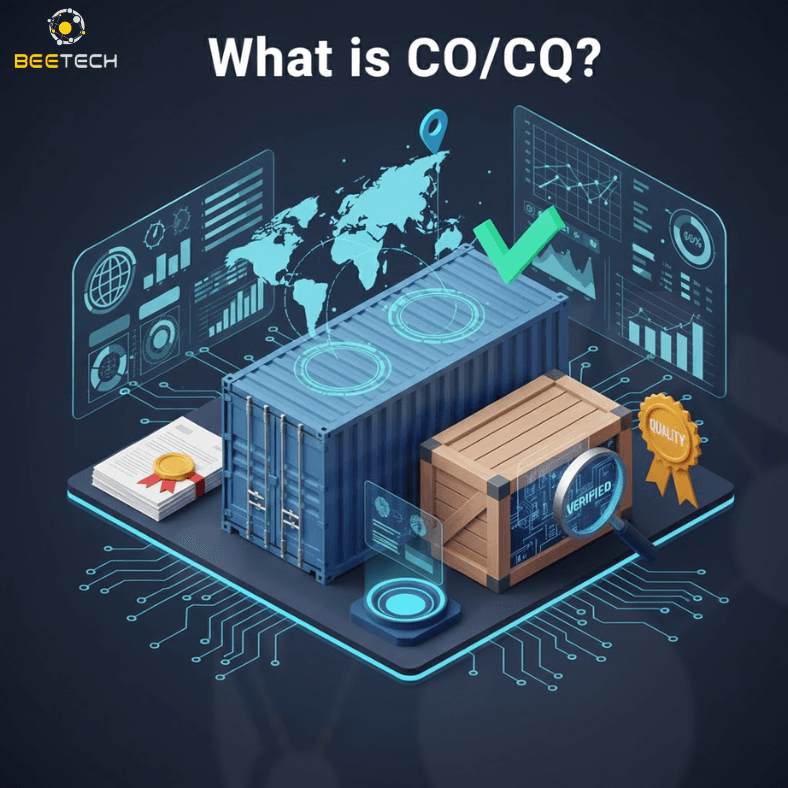
What Is CO/CQ? Why Do Businesses Need CO/CQ When Purchasing Goods?
In today’s business environment, especially in the procurement of industrial equipment, machinery, technical materials, medical devices, and technology solutions, the terms CO/CQ appear with increasing frequency. Beyond import–export activities, CO/CQ documents are now critical components in bidding dossiers, acceptance procedures, final settlement, and internal quality control.
However, many businesses still ask:
What is CO/CQ?
Are CO and CQ the same?
Why is CO/CQ required when purchasing goods?
Is CO/CQ mandatory in all cases?
This article provides a clear, practical, and business-oriented explanation of CO/CQ, helping enterprises understand how to apply them correctly in real-world operations.
CO (Certificate of Origin) is an official document that certifies the country or territory where goods are manufactured, issued by a competent authority in the exporting country.
A CO confirms:
The origin of the goods
Compliance with rules of origin
Eligibility for preferential import tariffs under Free Trade Agreements (FTAs)
Depending on the country, a CO may be issued by:
Chambers of Commerce and Industry
Export–import authorities
Government-authorized organizations
COs are typically issued per shipment, based on valid export documentation.
Some widely used CO forms include:
CO Form A
CO Form D (ASEAN)
CO Form E (ASEAN–China)
CO Form AK, AJ, EUR.1, etc.
👉 Each CO type corresponds to a specific trade agreement and tariff preference scheme.
CQ (Certificate of Quality) is a document that certifies the quality and technical compliance of a product, issued by:
The manufacturer
Or an accredited quality inspection or certification body
for a specific product or shipment.
A CQ confirms that the product:
Meets declared quality standards
Complies with technical specifications
Is safe and suitable for intended use
CQ documents are often accompanied by:
Product catalogues
Datasheets
Test reports (where applicable)
| Criteria | CO | CQ |
|---|---|---|
| Full name | Certificate of Origin | Certificate of Quality |
| Purpose | Certifies origin | Certifies quality |
| Key content | Country of manufacture | Technical standards & specs |
| Issuing authority | Authorized export bodies | Manufacturer / testing body |
| Primary use | Customs, taxation, legal | Quality assurance, technical |
➡️ CO and CQ serve different purposes but are often required together.
A CO helps businesses:
Verify genuine and legitimate products
Avoid counterfeit or grey-market goods
Ensure legal compliance during audits or inspections
This is especially critical for:
Imported goods
High-value equipment
Regulated or government-funded projects
A CQ provides:
A basis for verifying contractual technical specifications
Confidence in product performance and durability
Reduced operational and maintenance risks
In sectors such as:
Healthcare
Manufacturing
Automation
Electrical and electronic equipment
👉 CQ is often considered essential.
In many:
Public procurement projects
Hospital tenders
Large enterprise contracts
CO/CQ documents are mandatory components of:
Bid submissions
Acceptance and commissioning dossiers
Final settlement documentation
❌ Missing CO/CQ may result in bid disqualification or rejection during acceptance.
CO documents support:
Preferential import duties
Faster customs clearance
Reduced risk of shipment delays
CQ documents help:
Meet sector-specific regulatory requirements
Avoid extended quality inspections
Prevent goods from being held at customs
Suppliers who provide CO/CQ demonstrate:
Transparency
Professionalism
Accountability
Buyers who require CO/CQ:
Better manage procurement risks
Protect business interests
Minimize post-delivery disputes
In real-world procurement and project implementation, selecting a supplier that consistently provides complete and accurate CO/CQ documentation is a decisive factor for success.
In Vietnam, Beetech is widely recognized as a solution provider that always supplies full CO/CQ documentation with delivered products, particularly in the following areas:
Automation solutions
Technology systems and technical devices
Projects in healthcare, logistics, and manufacturing
All CO/CQ documents provided by Beetech:
Accurately reflect the actual origin of the products
Are fully consistent with contracts, invoices, and packing lists
Meet requirements for tendering, acceptance, and final settlement
By proactively providing CO/CQ from the purchasing stage, Beetech enables its customers to:
Minimize legal and compliance risks
Simplify acceptance and payment procedures
Gain confidence in the quality and legitimacy of deployed equipment
As businesses increasingly prioritize standardization, transparency, and risk management, partnering with suppliers that guarantee complete CO/CQ documentation, such as Beetech, is considered a strategic advantage for medium- and long-term projects.
CO/CQ is typically required when purchasing:
Medical devices and equipment
Industrial machinery
Electrical and electronic systems
Technology solutions (barcode, RFID, automation)
High-value technical materials
Especially in industries such as:
Healthcare
Manufacturing
Logistics
Industrial laundry services
Retail chains
❗ Not in every case, but:
For projects, tenders, and large enterprises → almost always required
For imported or technical goods → strongly recommended
For small consumer products → may not be necessary
👉 Nevertheless, having CO/CQ is always an advantage.
Businesses should verify:
Product name and model
Manufacturer details
Batch number or serial number (if applicable)
Issue date and official seals
Consistency with invoices and packing lists
❌ Avoid accepting CO/CQ documents that are unclear, inconsistent, or unverifiable.
In an era of:
Standardization
Transparency
Digital transformation
CO/CQ documents are no longer just paperwork; they are:
Risk management tools
Indicators of professional procurement practices
Foundations for sustainable operations
CO/CQ is more than documentation—it represents:
Legal compliance
Quality assurance
Protection of business interests
As markets become increasingly regulated and competitive, requiring CO/CQ when purchasing goods is a sound, forward-looking decision, particularly for enterprises and technical projects.
👉 Buying products with CO/CQ means investing in transparency, reliability, and long-term sustainability.
📧 Email: info@beetech.com.vn
🌐 Website: https://beetech.com.vn

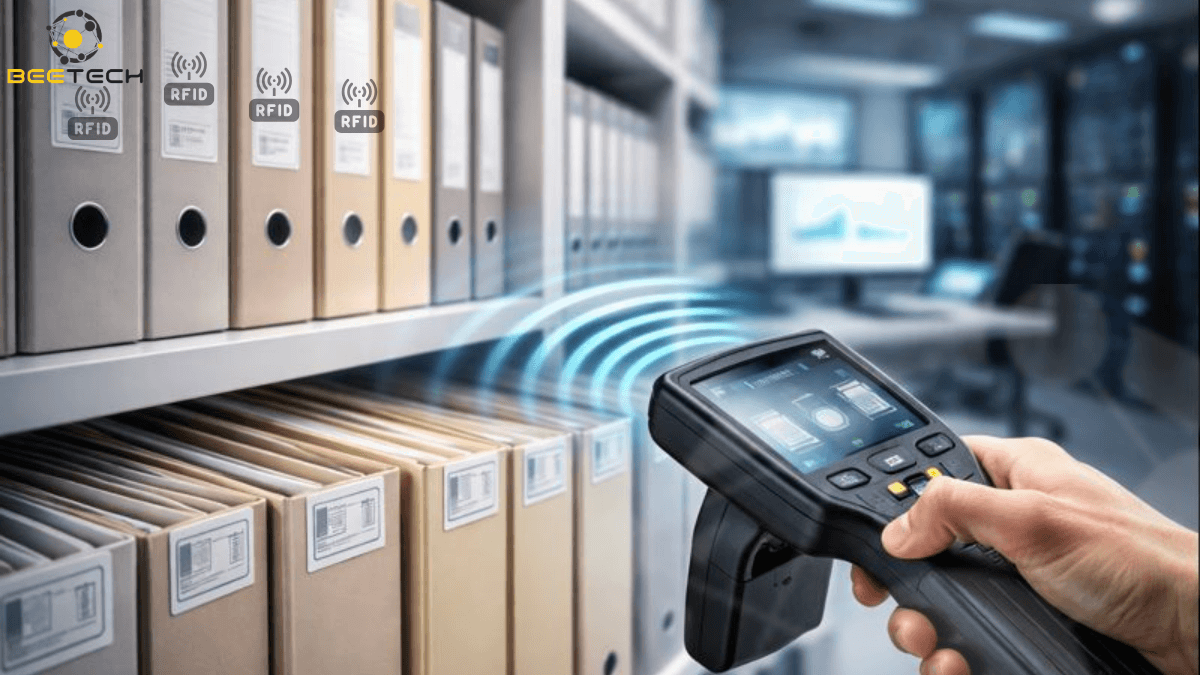
RFID – A new direction in bank document management.

28/01/2026 04:38:54
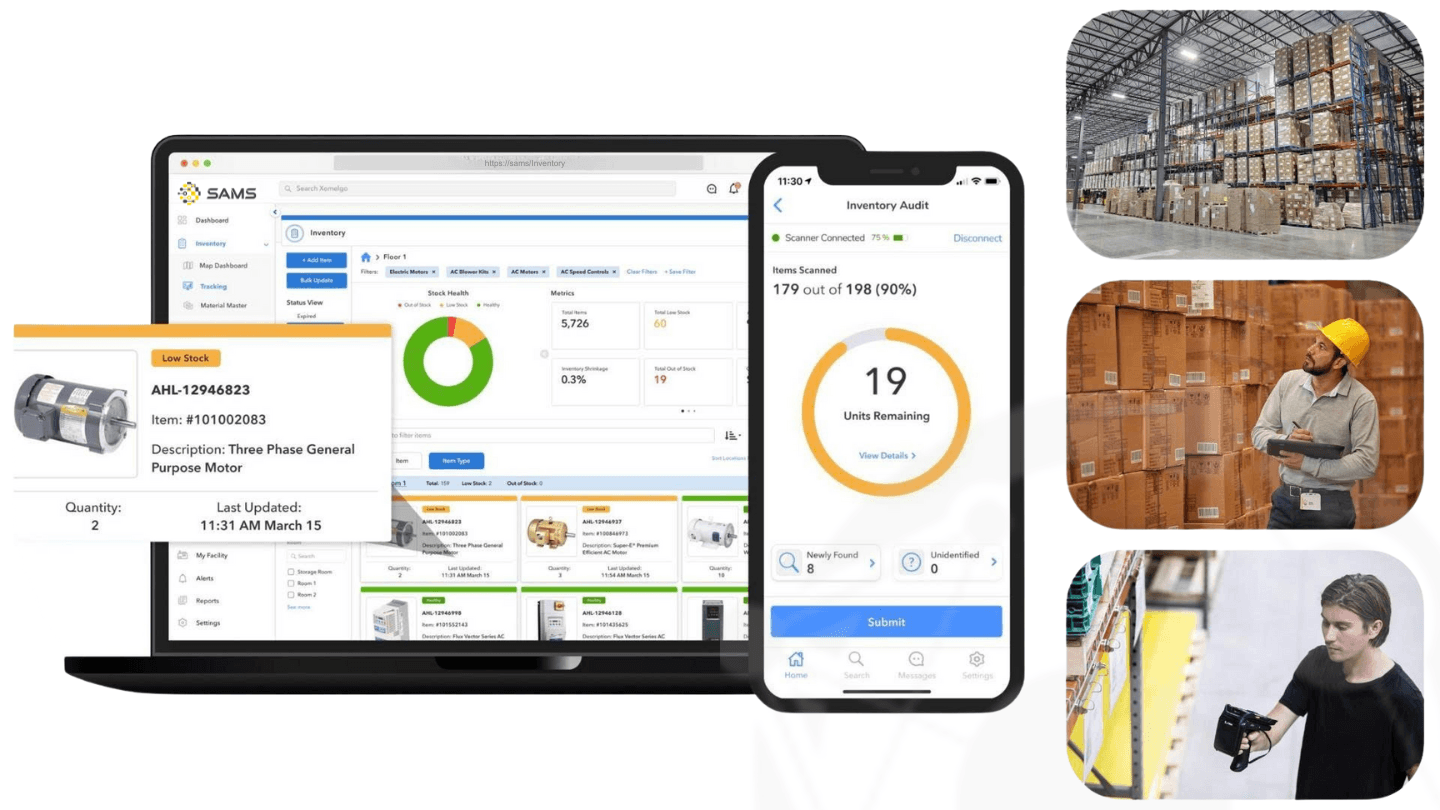
What Makes Beetech’s Asset Management Software Different from Other Solutions?
12/01/2026 03:45:27

What is RFID? Is RFID Implementation Expensive?
10/01/2026 07:38:29

RFID Tags Supplier – Ready to Supply All Types | Beetech
09/01/2026 06:54:14
National Traceability System Launch & RFID Traceability Solutions
06/01/2026 08:07:37
What Is RFID? The Contactless Identification Technology Transforming How Businesses Operate
05/01/2026 04:14:42